
Menopause and Sore Feet: Why Your Feet Hurt During Menopause and What You Can Do About It
If you've noticed that your feet seem to ache more than they used to, you're not imagining it. Many women experience menopause and sore feet as hormone levels begin to change, yet foot pain is one of the lesser-known symptoms of perimenopause and menopause.
From aching arches and heel pain to burning sensations and stiffness, hormonal changes can affect the muscles, joints, ligaments, tendons, and bones that keep your feet healthy. Understanding why these changes occur can help you find effective relief and know when it's time to see a foot and ankle specialist.
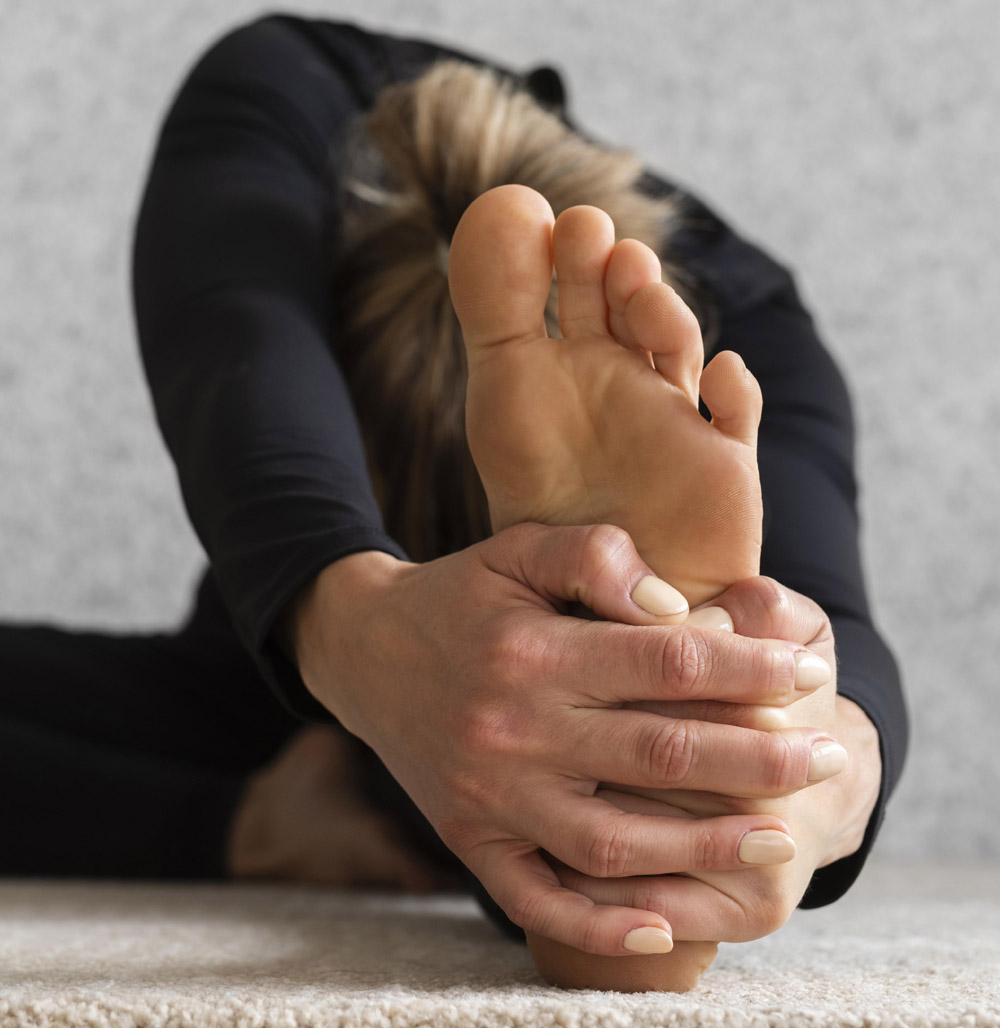
Can Menopause Cause Foot Pain?
Yes. Menopause foot pain is more common than many people realize. As estrogen levels decline during perimenopause and menopause, the body experiences changes that can affect nearly every joint—including the 26 bones, 33 joints, and more than 100 muscles, tendons, and ligaments in each foot.
- Lower estrogen levels may contribute to:
- Increased joint stiffness
- Loss of collagen and connective tissue elasticity
- Thinning of the protective fat pads on the bottom of the feet
- Increased inflammation
- Reduced bone density
- Changes in muscle strength and flexibility
These changes can make everyday activities such as walking, exercising, or standing for long periods significantly more uncomfortable.
Why Are My Feet Aching During Menopause?
Many women describe menopause aching feet as a dull soreness that is worse first thing in the morning or after spending the day on their feet.
Several factors may be responsible.
Joint Inflammation
Hormonal fluctuations can increase inflammation throughout the body. This may make the joints in the feet feel stiff, swollen, or painful, particularly after periods of inactivity.
Loss of Cushioning
As we age and estrogen declines, the natural fat pads beneath the heels and balls of the feet become thinner. With less cushioning, each step places more pressure on the bones and soft tissues.
Tight Muscles and Tendons
Changes in collagen production can reduce flexibility in tendons and ligaments. Tight calf muscles and a less flexible plantar fascia can increase strain across the foot.
Weight Changes
Many women gain weight during menopause. Even a modest increase places additional stress on the feet, especially the heels and arches.
Perimenopause Foot Pain: Symptoms Can Begin Before Menopause
Many women first experience perimenopause foot pain years before menopause officially begins.
During perimenopause, estrogen levels fluctuate dramatically rather than declining steadily. These hormonal swings may contribute to:
- Heel pain
- Aching arches
- Morning foot stiffness
- Burning feet
- Leg cramps
- Increased fatigue while walking
- Swelling around the ankles
Because these symptoms often appear gradually, they're frequently attributed to aging instead of hormonal changes.
The Connection Between Plantar Fasciitis and Menopause
One of the most common causes of heel pain is plantar fasciitis, and many women wonder about the relationship between plantar fasciitis and menopause.
The plantar fascia is a thick band of tissue that supports the arch of the foot. Repetitive stress causes tiny tears that lead to inflammation and pain.
Although menopause does not directly cause plantar fasciitis, hormonal changes may increase the risk by affecting the strength and flexibility of connective tissues.
Risk factors include:
- Loss of collagen
- Reduced tissue elasticity
- Tight calf muscles
- Weight gain
- Standing for long periods
- Unsupportive footwear
Many women notice sharp heel pain when taking their first steps in the morning—a classic symptom of plantar fasciitis.
Does Perimenopause Cause Plantar Fasciitis?
Research continues to explore the relationship between plantar fasciitis perimenopause and hormonal changes.
During perimenopause, fluctuating estrogen levels may reduce the body's ability to maintain healthy tendons and ligaments. Combined with increased inflammation and changes in activity levels, these factors can make women more susceptible to developing plantar fasciitis.
If heel pain persists for more than a few weeks, it's important to have it evaluated rather than assuming it's simply part of menopause.
Other Foot Problems During Menopause
Foot pain isn't always plantar fasciitis. Other conditions that become more common during menopause include:
Achilles Tendinitis
Pain along the back of the heel or ankle caused by inflammation of the Achilles tendon.
Arthritis
The many joints in the foot can develop osteoarthritis, causing stiffness, swelling, and reduced mobility.
Stress Fractures
Reduced bone density associated with menopause increases the risk of small fractures, particularly in active women.
Morton Neuroma
Thickened nerve tissue between the toes can cause burning pain, numbness, or tingling.
Metatarsalgia
Pain beneath the ball of the foot often develops as the natural fat pads become thinner.
Menopause Foot Pain Treatment
Fortunately, there are many effective options for menopause foot pain treatment, depending on the underlying cause.
Wear Supportive Shoes
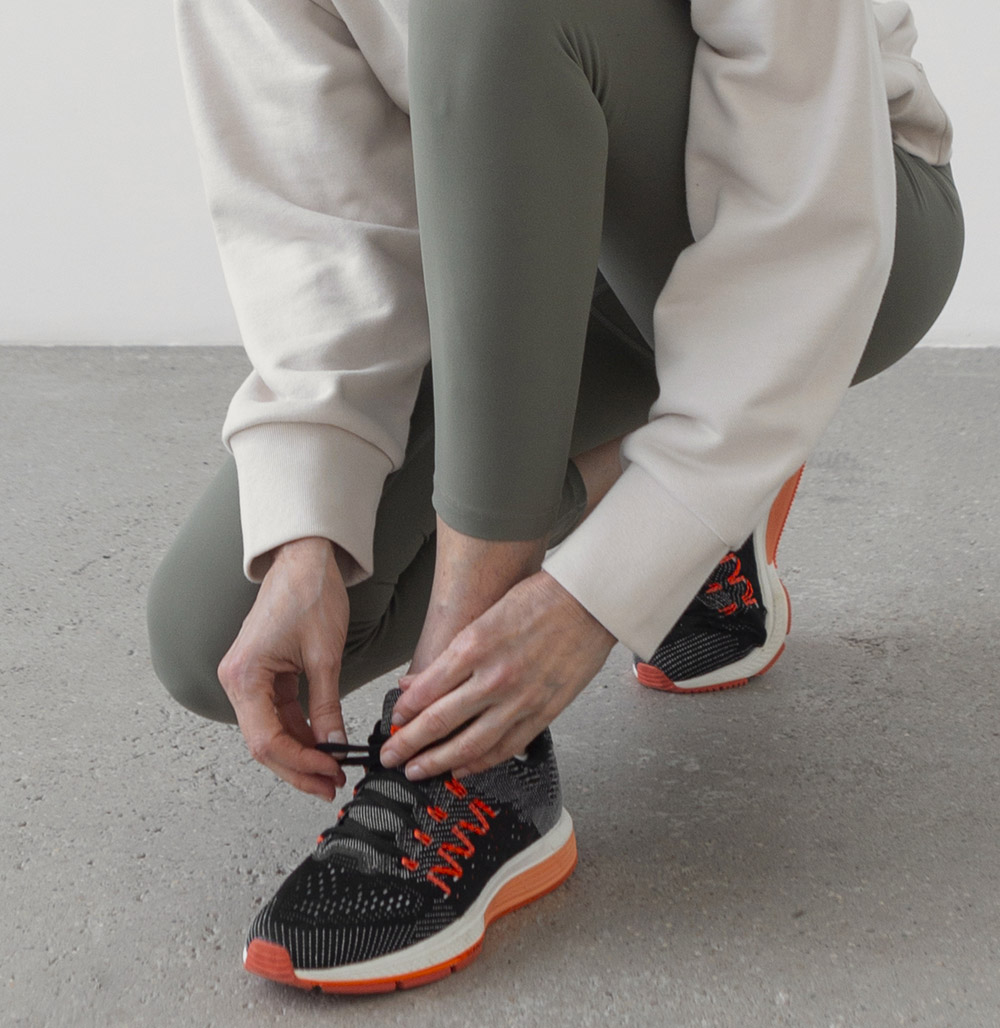
Proper footwear with good arch support and cushioning helps reduce pressure on the feet. Replace worn-out athletic shoes regularly and avoid spending long periods in unsupportive sandals or flip-flops.
Stretch Daily
Gentle stretching of the calves, Achilles tendon, and plantar fascia can improve flexibility and reduce heel pain.
Use Custom Orthotics
Prescription orthotics help correct abnormal foot mechanics and redistribute pressure, particularly for plantar fasciitis, arthritis, and flat feet.
Maintain a Healthy Weight
Reducing excess weight decreases the amount of force transmitted through the feet with every step.
Ice After Activity
Applying ice for 15–20 minutes after exercise or prolonged standing can reduce inflammation and discomfort.
Stay Active
Low-impact activities such as swimming, cycling, and walking help maintain joint mobility without placing excessive stress on the feet.
Physical Therapy
Targeted exercises can strengthen the muscles that support the feet and improve balance and flexibility.
Medical Evaluation
Persistent foot pain should always be evaluated to rule out stress fractures, tendon injuries, nerve problems, or arthritis. Early diagnosis often leads to faster recovery and better long-term outcomes.
When Should You See a Foot and Ankle Specialist?
Don't ignore foot pain simply because you're going through menopause.
Schedule an evaluation if you experience:
- Pain lasting longer than two to three weeks
- Severe heel pain when walking
- Swelling that doesn't improve
- Numbness or tingling
- Difficulty walking normally
- Pain that interferes with work, exercise, or sleep
A podiatrist can identify the exact cause of your symptoms and develop a personalized treatment plan that addresses both your foot condition and the changes occurring during menopause.
The Bottom Line
Experiencing menopause and sore feet is common, but it isn't something you have to simply accept. Hormonal changes during perimenopause and menopause can affect the connective tissues, joints, bones, and muscles that support your feet, increasing the risk of conditions like plantar fasciitis, arthritis, and chronic heel pain.
The good news is that most causes of menopause-related foot pain respond well to early treatment. Supportive footwear, stretching, custom orthotics, physical therapy, and professional evaluation can help relieve pain and keep you active through every stage of life.
If you're experiencing persistent foot pain during perimenopause or menopause, don't assume it's "just getting older." An evaluation by a foot and ankle specialist can identify the underlying cause and help you get back to walking comfortably.