
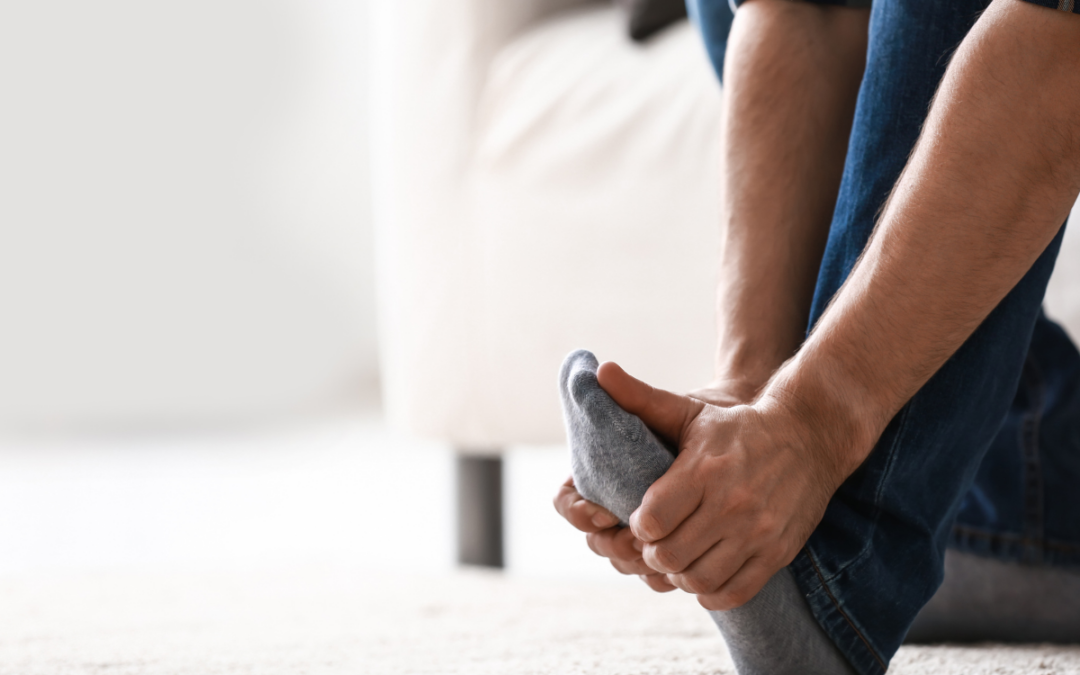
When your feet hurt, you might blame your shoes, your activity level, or the amount of time you spend standing. But have you ever considered that the way you tie your shoes could be contributing to your discomfort?
Believe it or not, shoe lacing can affect how pressure is distributed across your feet. Laces that are too tight can create uncomfortable pressure, while shoes that are too loose may allow excessive movement, leading to rubbing and irritation.
Making a few simple adjustments to your shoelaces may improve comfort and help you get a better fit from your footwear.
How Can Shoelaces Cause Foot Pain?
Your feet are made up of bones, joints, muscles, tendons, and nerves that work together every time you take a step. Excessive pressure from footwear can irritate some of these structures.
When shoelaces are tied too tightly, they may compress sensitive areas along the top of your foot. This can contribute to symptoms such as:
- Pain or tenderness on top of the foot
- Tingling or numbness in the toes
- Red marks or irritation from shoe pressure
- Discomfort during walking or running
- A feeling of tightness across the middle of the foot
On the other hand, shoes that are too loose can allow your heel to slip or your foot to slide forward, increasing friction and the risk of blisters.
Finding the right balance between a secure fit and comfortable pressure is important.
Shoe Lacing Techniques for Different Foot Problems
Not every foot is shaped the same, and traditional shoe lacing doesn’t always provide the best fit. Different techniques may help accommodate certain foot shapes or areas of discomfort.
1. High Arches: Reduce Pressure on Top of Your Foot
People with high arches may experience uncomfortable pressure across the top of their feet, especially when wearing snug athletic shoes.
One technique involves skipping the crisscross pattern over the area where pressure occurs, creating a small gap in the lacing.
This can provide additional room over the top of the foot while allowing the rest of the shoe to remain secure.
2. Heel Slipping: Try a Heel Lock
Does your heel move up and down inside your shoe when you walk or run?
A heel lock, sometimes called a runner’s loop, uses the extra eyelets near the top of many athletic shoes to help secure the heel.
This technique may reduce unnecessary movement and friction, helping prevent blisters around the back of the foot.
3. Wide Feet: Create More Room
If your shoes feel tight across the widest part of your foot, adjusting the lacing pattern may reduce pressure.
Using a less restrictive pattern through the forefoot can allow a little more room while maintaining a secure fit around the ankle.
However, if your shoes are consistently squeezing your feet, you may need a wider shoe rather than a different lacing technique.
4. Top-of-Foot Pain: Skip the Painful Area
If you experience discomfort across a specific area on top of your foot, you may benefit from skipping one or two sets of eyelets over the sensitive spot.
This technique reduces direct lace pressure while keeping the shoe secured above and below the affected area.
Keep in mind that persistent pain on top of the foot can also be associated with tendon irritation, stress injuries, or other conditions that require evaluation.
Can Tight Shoes Cause Numb Toes?
Yes. Shoes that are too tight can put pressure on nerves and soft tissues, potentially contributing to tingling or numbness.
Tight shoelaces may contribute to this pressure, but they aren’t always the cause.
If your toes regularly feel numb, even after adjusting your footwear, it’s important to have your symptoms evaluated. Persistent numbness may be associated with nerve irritation, circulation problems, or other medical conditions.
How to Know if Your Shoes Fit Properly
Even the best lacing technique can’t fix shoes that don’t fit correctly.
When choosing shoes, look for:
- Enough toe room: Your toes should have space to move without feeling cramped.
- A secure heel: Your heel should stay comfortably in place without excessive slipping.
- Comfortable width: Your shoes shouldn’t squeeze the sides of your feet.
- Appropriate support: Choose shoes that provide the stability and cushioning you need for your activities.
- No painful pressure points: Shoes should feel comfortable without requiring an extended break-in period.
Because feet can change in size and shape over time, it’s worth checking your shoe size periodically.
When Is Foot Pain More Than a Shoe Problem?
Changing your shoelaces or switching shoes may help with discomfort caused by footwear pressure. However, foot pain isn’t always related to what you’re wearing.
If you continue experiencing heel pain, arch pain, numbness, swelling, or discomfort while walking, an underlying foot condition may be responsible.
Persistent symptoms deserve attention, especially if they interfere with your daily activities.
Find Relief From Foot Pain at Eugene Foot & Ankle
Sometimes a small footwear adjustment can make a big difference. Other times, ongoing foot pain is a sign that something more is going on.
At Eugene Foot & Ankle, we help patients understand what’s causing their discomfort and find treatment options that support healthier, more comfortable feet.
Whether you’re dealing with pressure from your shoes, recurring arch pain, or unexplained numbness, we’re here to help.
Contact Eugene Foot & Ankle today to schedule an evaluation and get back to moving comfortably.
Recent Comments