
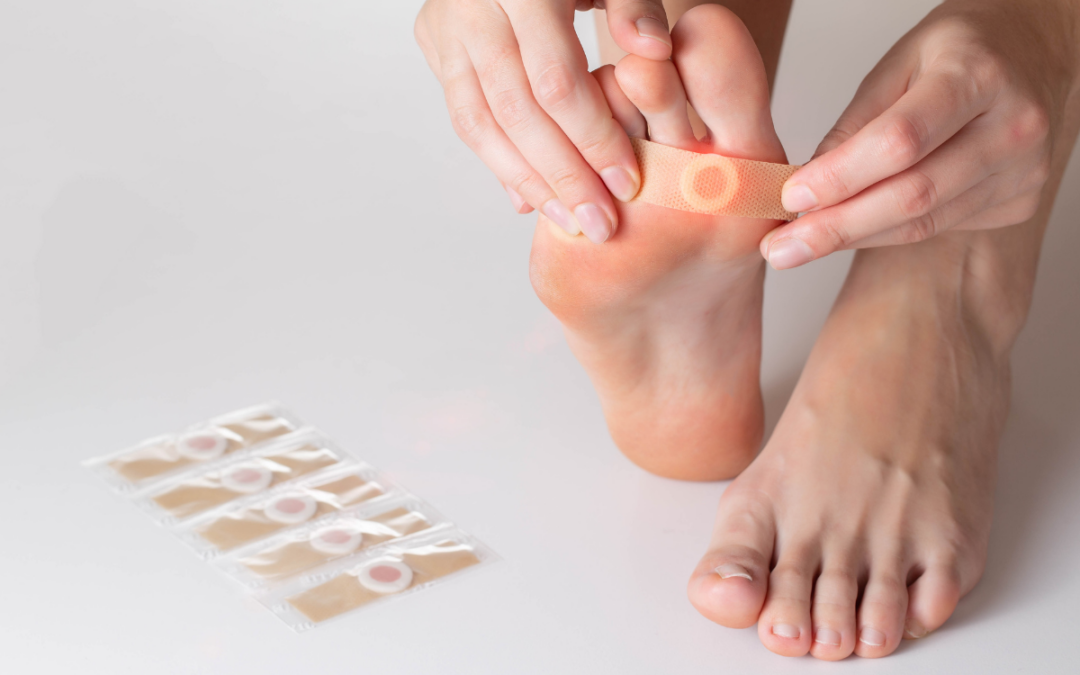
Have you noticed a small, rough growth on the bottom of your foot that hurts when you stand or walk? You may have a plantar wart.
Plantar warts are common and usually aren’t dangerous, but their location can make them surprisingly uncomfortable. Because pressure from walking pushes the wart inward, what looks like a small skin problem can sometimes cause significant foot pain.
What Are Plantar Warts?
Plantar warts are warts that develop on the soles of the feet. They are caused by certain strains of human papillomavirus, or HPV, that enter the skin through tiny cuts or breaks.
Unlike warts on other parts of the body, plantar warts are subjected to pressure every time you stand or walk. This can cause them to grow inward beneath a layer of thickened skin.
What Does a Plantar Wart Look Like?
A plantar wart may look like a small, rough, grainy growth on the bottom of your foot. Common signs include:
- A rough or fleshy growth on the sole of the foot
- Thickened skin or a callus over the area
- Small dark dots within the wart
- Tenderness when standing or walking
- Discomfort when pressure is applied to the area
Plantar warts can sometimes be mistaken for corns or calluses, so an evaluation can help confirm what you’re dealing with.
How Do You Get Plantar Warts?
The virus that causes plantar warts can spread through direct contact with contaminated surfaces. Warm, damp environments such as locker rooms, public showers, and pool areas can provide opportunities for exposure.
Walking barefoot in these environments may increase your risk, particularly if you have small cuts or cracks in the skin.
Do Plantar Warts Go Away on Their Own?
Some plantar warts eventually disappear without treatment as the immune system responds to the virus. Others can remain for months or even years, spread to other areas of the foot, or become increasingly uncomfortable.
Treatment may be recommended when a wart is painful, spreading, persistent, or interfering with normal activities.
How Are Plantar Warts Treated?
Treatment depends on the size, location, number of warts, and how long they have been present.
A podiatrist can recommend appropriate treatment and safely distinguish a plantar wart from other skin conditions. Avoid cutting or digging at a suspected wart yourself, as this can damage healthy skin and increase the risk of infection.
Can Plantar Warts Be Prevented?
You can reduce your risk by wearing sandals or shower shoes in public locker rooms and showers, keeping your feet clean and dry, and avoiding picking at existing warts.
It’s also important not to share footwear, socks, or personal foot-care tools with someone who has a wart.
Plantar Wart Treatment in Eugene
If a painful spot on the bottom of your foot isn’t going away, don’t assume it’s just a callus.
At Eugene Foot & Ankle, we can determine whether you have a plantar wart and recommend an appropriate treatment plan to help you get back to walking comfortably.
Schedule an appointment today if you’re concerned about a plantar wart or another change in the skin of your feet.
Recent Comments